
巨星秀
GT Voice: China-S.Korea 'cool' trade flourishes amid heat waves_我的网站

一 |
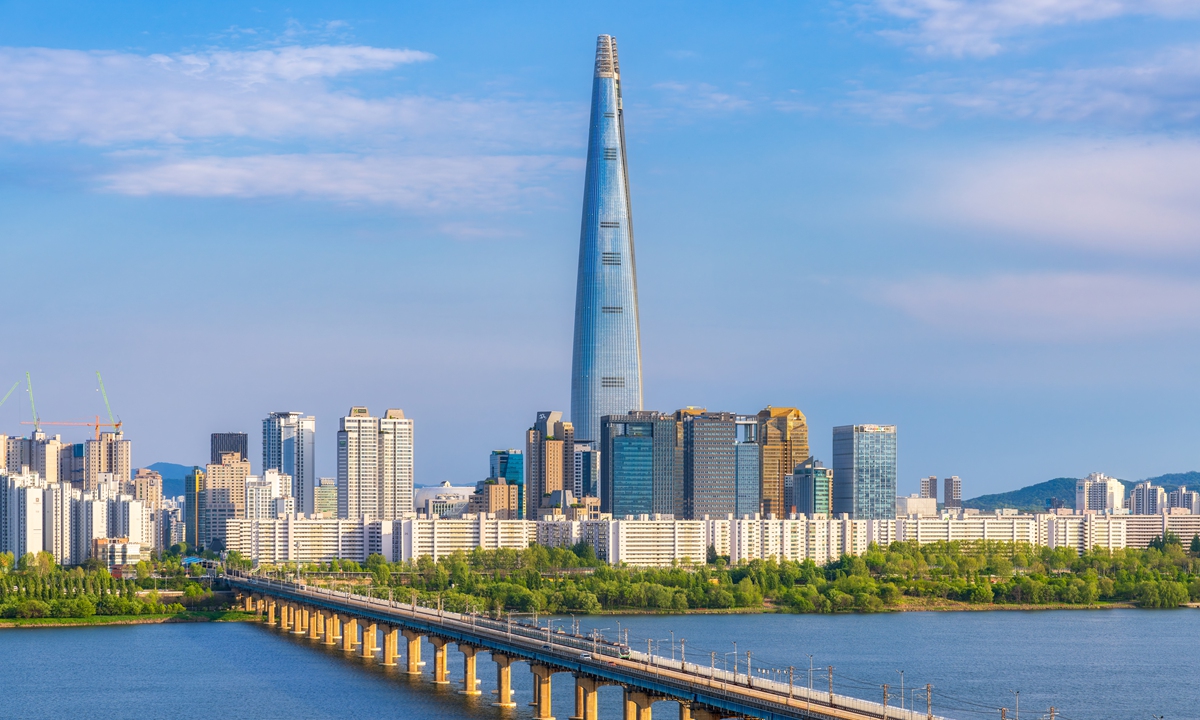
South Korea is grappling with scorching heat waves this summer, with temperatures soaring above 40 C in its capital city of Seoul for the first time since 2018. The extreme weather has dominated newspaper headlines lately, which has wreaked havoc on the people's health and agricultural production there.
For instance, with mass die-offs at the country's fish farms and catches declining, seafood prices are trending higher, according to South Korean media reports. Meanwhile, South Korean consumers' demand for cooling products is surging.
Against this backdrop, the unique strengths of China-South Korea economic and trade cooperation - characterized by flexible responses and regional short-chain supply arrangements - have been fully demonstrated.
Unlike countries in Europe and elsewhere in the West, or regions that rely on long-distance transportation, China and South Korea share geographical proximity and mature cross-border logistics system. Built through years of in-depth industrial collaboration, their circulation network drastically shortens supply chain routes and turnover cycles, delivering vital response in time of need.
Since the onset of the summer heat waves, a diverse array of Chinese-made goods - frozen beverages, portable handheld fans, pet cooling accessories and others - has flowed to the South Korean market. The rapid replenishment has provided relief to South Koreans grappling with soaring temperatures.
The "cool" trade that has blossomed between the two countries is fundamentally a story of mutual benefit and complementary strengths. While Chinese cooling supplies enter the South Korean market, Chinese consumers' demand for South Korean summer cosmetics and personal care products is heating up too. These two seemingly separate trade flows essentially reflect the deep-seated trade complementarity between the two neighbors.
Since the beginning of summer, "cool-feeling" cosmetics have become a shopping hit among Chinese consumers. Many South Korean products, featuring lightweight textures, durability and sweat-proof performance, have won growing market popularity.
The two-way trade flow is rooted in the alignment of the two countries' industrial structures and consumer needs, allowing both consumers to access what they require in the trade of "cool products" and achieve mutually beneficial outcomes.
The structural underpinnings of this synergy run deep. China's strength in agricultural production, cold‑chain infrastructure, and large‑scale manufacturing complements South Korea's prowess in beauty product research and development, good quality control and sophisticated brand operation. Most importantly, their geographical proximity allows such industrial complementarity to flourish.
From a broader perspective, global climate change seems to continue interfering with economic life in increasingly unpredictable ways. Caught in this dual pressure of escalating climate shock and global industrial restructuring, the significance of regional economic cooperation is being redefined. It is no longer limited to expanding market access and cutting operational costs; instead, it is deeply tied to safeguarding people's basic livelihoods in time of sudden unexpected disruptions.
The shortened transportation window brought by geographical proximity boosts the supply chain's response speed, enabling it to swiftly counter market volatility triggered by sudden emergencies.
The deep industrial integration that China and South Korea have nurtured over the past decades across sectors including electronics, beauty, agricultural products and cold-chain logistics has laid an exceptionally solid foundation for bilateral cooperation.
Currently, global supply chains are facing shocks from geopolitical conflicts, rising trade barriers as well as surging extreme weather patterns, leaving many long-distance global supply chains increasingly fragile and prone to sudden breakdowns.
The short-chain cooperation between China and South Korea has demonstrated that, in the era of growing uncertainties in the world, tapping deeper into regional industrial complementary advantages and building more stable and flexible cross-border industrial and supply chains is both an efficient choice to reduce circulation costs and a practical path to fend off risks to ensure industrial stability and protect people's livelihood.
。

二 | 8 月 25 日消息,小米现已在有品上架米家智能 IH 电饭煲 2 多功能版(点此访问),提供 3L 和 4L 版本可选,将于 9 月 6 日开启众筹,前者定价为 649 元,后者定价为 689 元。系列电饭煲采用分体式结构设计,方便清洗。锅胆两侧配有防烫锅耳以保障移动安全。其中 3L 型号为 288.5 x 281 x 249.5mm,4L 型号为 288.5 x 281 x 274mm。

三 | 系列电饭煲额定功率达 1300W,搭载包裹式立体 IH 加热系统,通过立体绕线盘扩展大受热面积,使米粒同步受热翻滚。内胆采用 3mm 厚的熔钛复合聚能厚釜,能够有效锁住热量。同时电饭煲内胆配备真 0 氟涂层,符合国家 II 级不粘标准,保障饮食健康且易于打理。烹饪功能上,电饭煲提供精华饭、快煮饭、营养蒸、炖煮及无水焗等 9 大烹饪模式,实现一锅多用。其优化的加热逻辑支持 26 分钟黄金快煮。此外设备支持随时开盖烹饪,无需暂停即可在运转中途自由翻搅、添料或收汁,方便用户精准掌控火候。

四 | 其他方面,该电饭煲配合小米米家 App 可快速浏览 100+ 云食谱,自由设定 24 小时预约、12 小时保温功能以灵活管理时间,附产品参数:广告声明:文内含有的对外跳转链接(包括不限于超链接、二维码、口令等形式),用于传递更多信息,节省甄选时间,结果仅供参考,包含外链的文章均包含本声明。
Current article:http://l3qqvn3.zhaoliebengkuaiwaigeqi.bond/news/20260826_8845691.html
Published on:04:46:01
相关新闻
- 恶意罚款
- 《政声直达》2026年8月22日
- 再打下去要亡国了?俄军势如破竹,基辅大势已去,美国准备抽身?,魔根大葱,原创 再打下去要亡国了?俄军势如破竹,基辅大势已去,美国准备抽身?,卢甘斯克丢了,康斯坦丁诺夫卡也快了,天上没伞,地上没人,账上没钱,华盛顿那边,门已经开了一条缝
- 研究:“黑死病”推动了人类免疫相关基因的选择 影响了人们今天对疾病的易感性
- 重庆银行高嵩——业绩“双十”增长背后的操盘手
- Imran demands end to 'reign of robbers' in Sindh
- Tata Altroz Facelift के बेस वेरिएंट को है घर लाना, दो लाख रुपये की Down Payment के बाद कितनी जाएगी EMI?
- 30万内最具性价比的大型SUV?深蓝S09五款配置该如何选
- 特斯拉向下,比亚迪向上
- 本菲卡计划今夏与曼城商谈B席转会,但不会付5000万镑解约金
最后更新
- From an online "weight-loss hack" to protective manicures: The humble bean that connects harvest, community and home in Shandong
- 入境游升温!广州入境外国人增五成,新疆通航18国
- Woman Suing Deshaun Watson Sets Sights on Houston Texans With New Lawsuit
- NVIDIA CFO:要让玩家明白显卡价格已经降到正常水准_Colette_游戏
- 首先出勤得高!尼昂19-20赛季至24-25赛季共有295胜 同期联盟最高
- 1套豪宅曾卖1.3亿元!40岁郜林当经理:工资只够油钱 但我毫不在乎
- 真人互动恋爱游戏《请去Bar,恋爱吧!》发售:原价29元 现九折26.1元
- Mississippi sheriff aims to avoid liability from federal lawsuit over torture of Black men
- 雄安中关村科技园推行一站式服务,“一人公司”社区聚集创新星火
- 32+11VS10+7!乌度卡曾劝哈登别回火箭 最终球队引入范弗里特
热门新闻
- 现场直击|台风“白海豚”致强降雨 多地积极应对
- 2026年8月4日中网优能扣费,盼能退款处理
- Ban on electronic skill games in Virginia reinstated by state Supreme Court
- 蒸汽平台游戏总数超过30000场,预计2019年将超过40000场。
- 田径世锦赛:张德顺女子马拉松名列第11 创个人第二好成绩
- 北控两人被驱逐:孟子凯挑衅陈盈骏拉拽曾凡博 里勒6犯+吃T失控
- ESPN评施罗德互换交易:黄蜂补强控卫仅评级B-
- 商务部:跨国公司对华投资呈现“三个转变”
- 火箭一夜4消息!范乔丹迎复出利好,谢泼德交易动向+19人名单出炉
- PS新版DS手柄要来了!有望2027年就发售 首次更新